
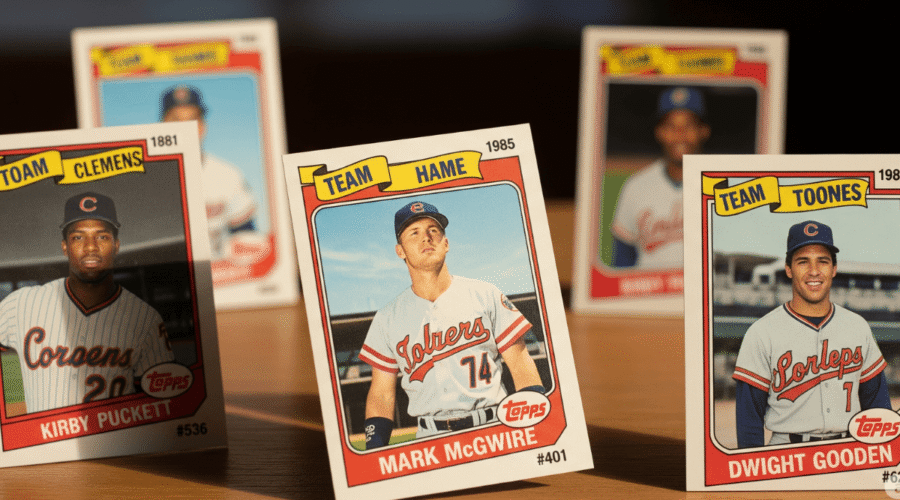
The Most Valuable 1985 Topps Baseball Cards: A Complete Investment Guide
The 1985 Topps baseball card set remains one of the most compelling collections from the golden era of cardboard, blending superstar power with what-if scenarios that still captivate collectors today. This 792-card set features Hall of Fame legends alongside rookie phenoms whose careers took unexpected turns, creating a fascinating study in baseball history and card values.
Why 1985 Topps Cards Matter Today
The 1985 Topps set tells the story of baseball’s complex relationship with greatness, controversy, and unfulfilled potential. While stars like Mark McGwire and Roger Clemens achieved incredible statistical milestones, their legacies became complicated by performance-enhancing drug allegations. Meanwhile, players like Dwight Gooden and Darryl Strawberry showed flashes of brilliance before personal struggles derailed their careers.
Despite these storylines, the set has maintained strong collector interest due to its mix of Hall of Famers, iconic photography, and the enduring appeal of 1980s baseball cards. The traditional Topps design, quality cardboard stock, and memorable subsets continue to attract both vintage collectors and modern investors.
The Top 30 Most Valuable 1985 Topps Baseball Cards
Based on PSA 10 Gem Mint values, here are the most valuable cards from this classic set:
1. Mark McGwire Rookie Card (#401)
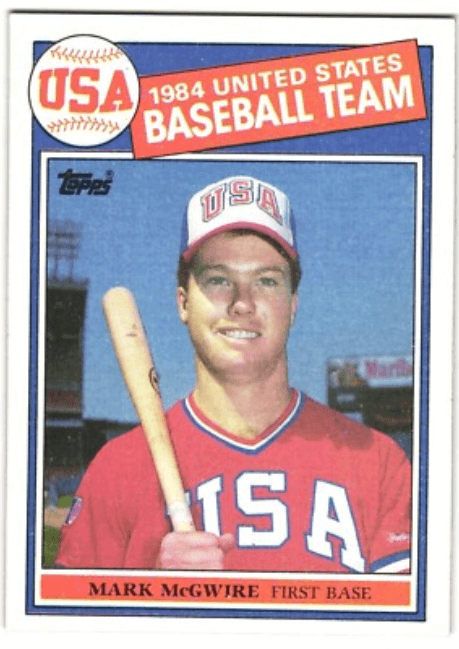
$2,200 The crown jewel of the set, McGwire’s Olympic team rookie card remains highly sought after despite steroid controversies. Its position on the printing sheet makes perfectly centered examples scarce.
2. Roger Clemens Rookie Card (#181)
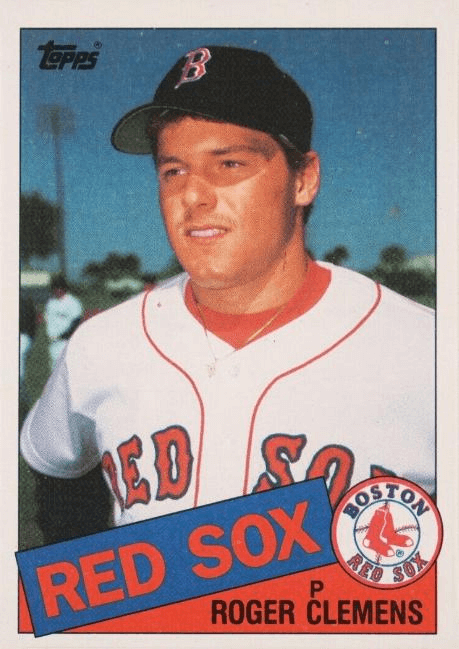
$1,200 The Rocket’s rookie card showcases one of baseball’s most dominant pitchers, with 354 career wins and seven Cy Young Awards backing up its value.
3. Eric Davis Rookie Card (#627)
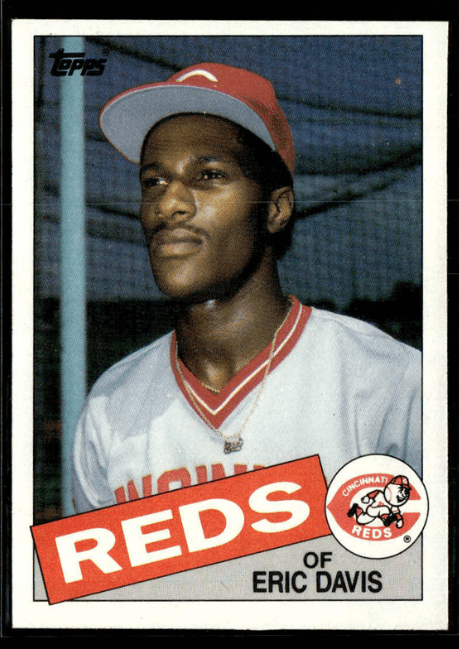
$1,000 Davis was considered among the elite outfielders of the late 1980s before injuries curtailed his career. His popularity remains strong among collectors.
4. Kirby Puckett Rookie Card (#536)
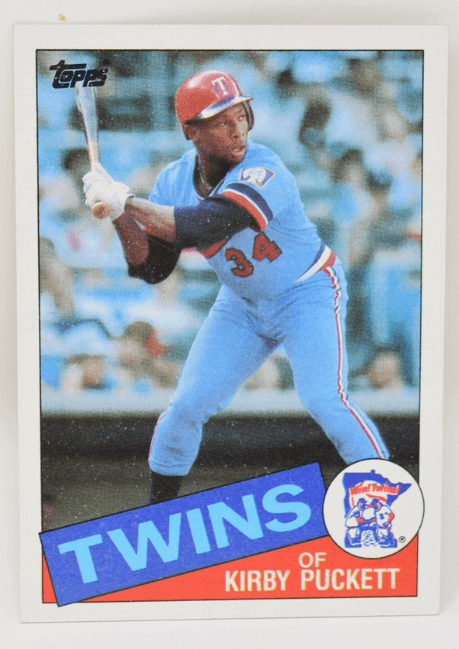
$750 The only Hall of Fame rookie card in the set, Puckett’s charismatic personality and Twins legacy make this a cornerstone card.
5. Dwight Gooden Rookie Card (#620)
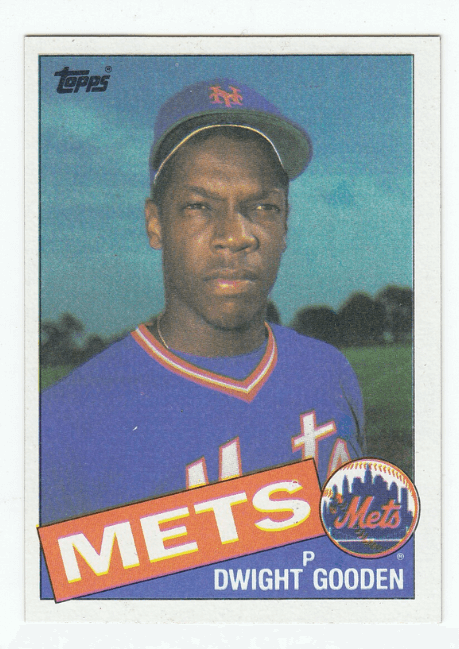
$500 Doc Gooden’s true rookie card captures the young phenom at his peak potential.
6. Don Mattingly (#665)
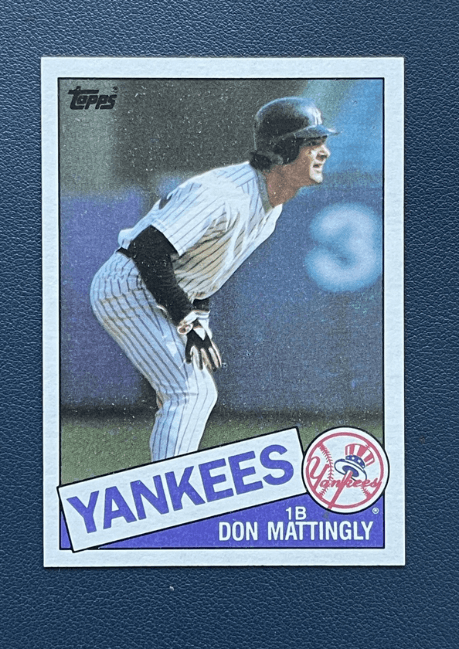
$500 Donnie Baseball’s 1985 MVP season card remains highly popular among Yankees fans and collectors.
7. Tom Seaver (#670)
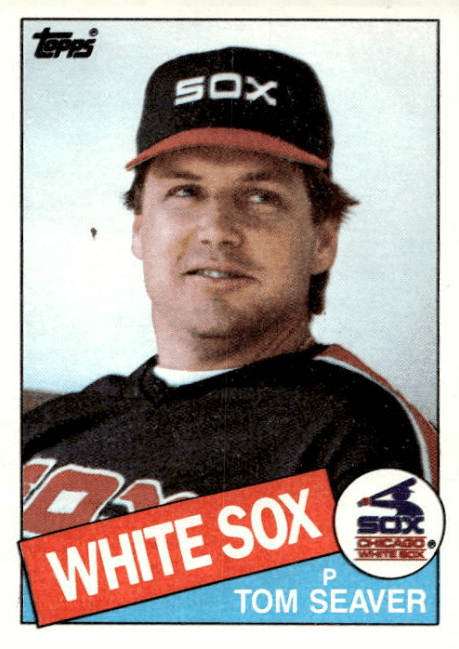
$500 The Hall of Fame pitcher’s card shows excellent photography and represents his final productive seasons.
8. Nolan Ryan (#760)
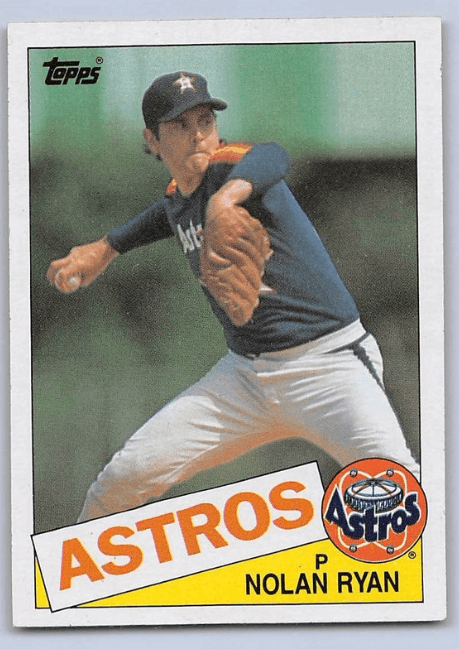
$500 Ryan’s iconic card features dynamic action photography of the strikeout king.
9. Dwight Gooden Record Breaker (#3)
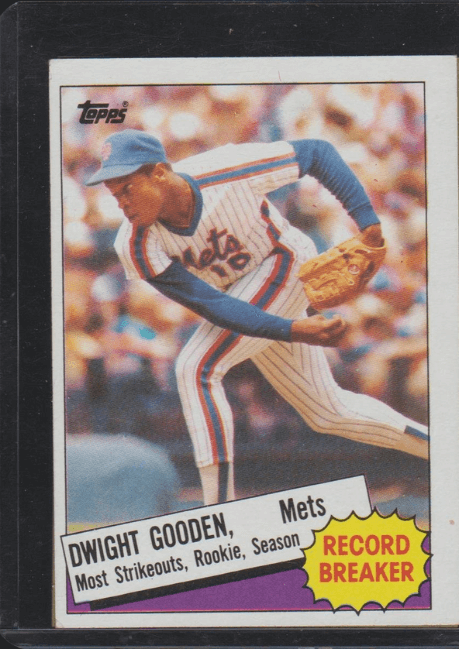
$475 Commemorates Gooden’s record-setting rookie strikeout performance.
10. Cal Ripken Jr. (#30)
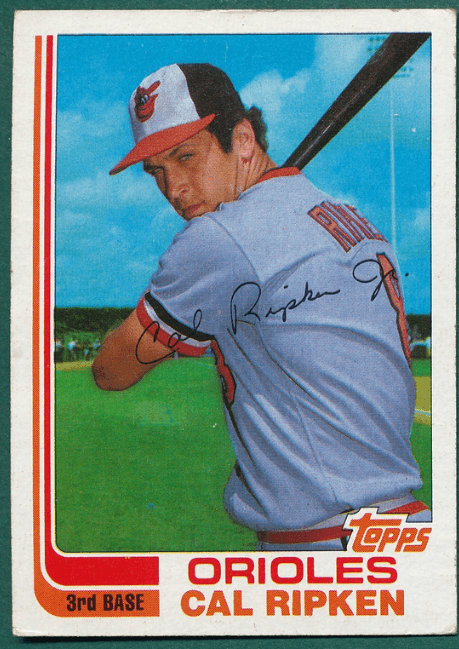
$475 The Iron Man’s card commands premium prices due to limited PSA 10 population.
11. Pete Rose Manager Card (#547)
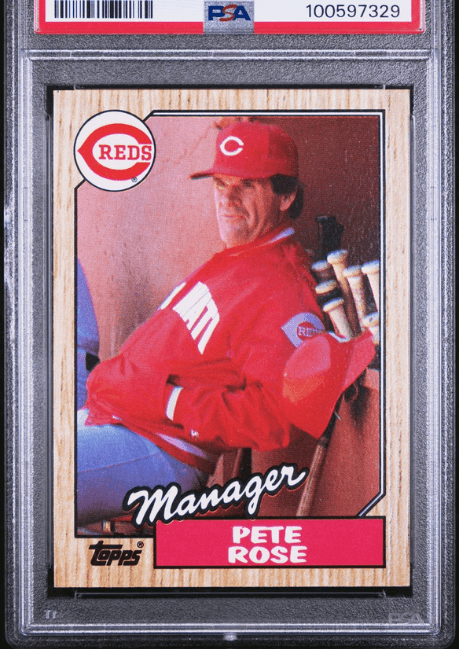
$350 Rose’s managerial card is significantly scarcer in top grade than his other 1985 appearances.
12. Nolan Ryan Record Breaker (#7)
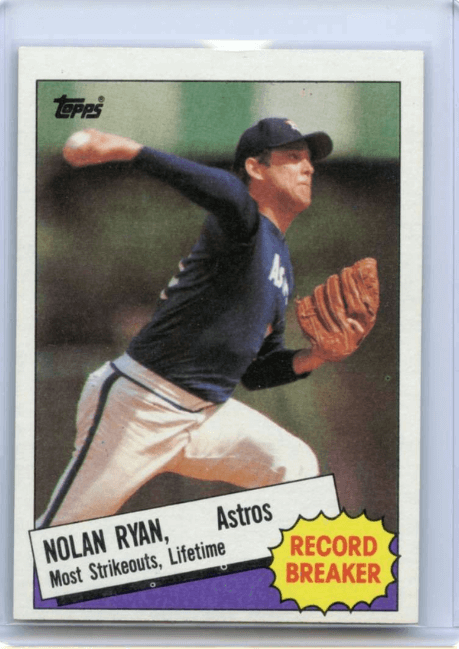
$325 Another Ryan card celebrating his career achievements.
13. George Brett (#100)
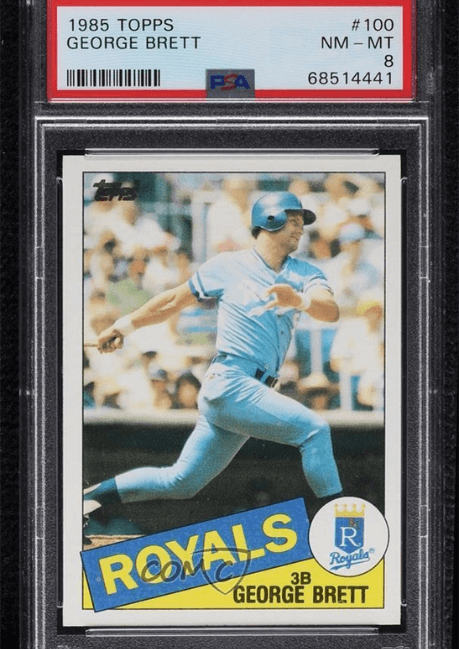
$250 The Royals legend’s card maintains steady collector demand.
14. Rickey Henderson (#115)
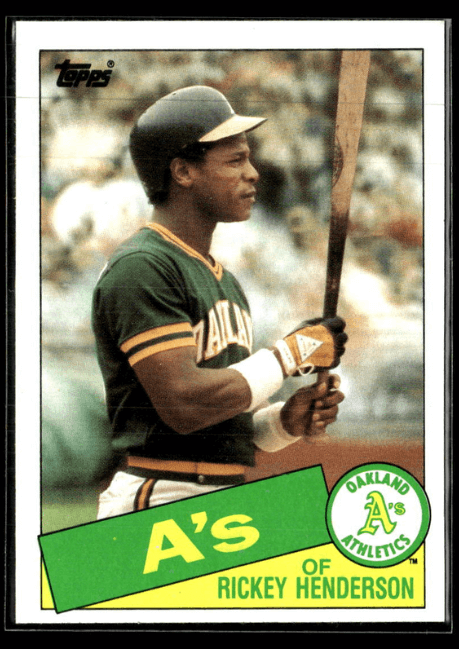
$225 The stolen base king’s card features classic 1980s design elements.
15. Darryl Strawberry (#278)
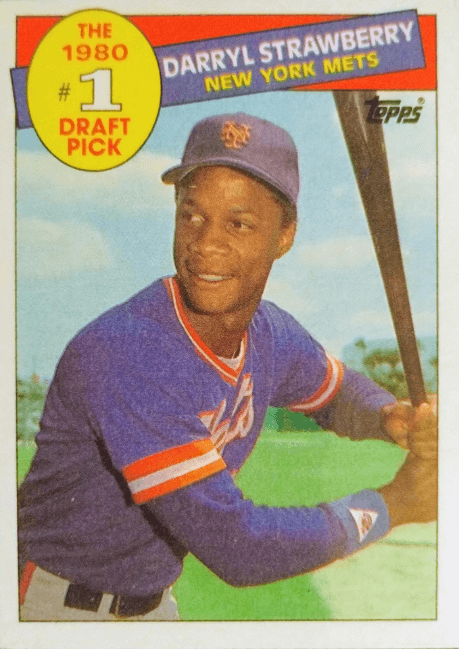
$200 The Mets slugger’s card represents another “what could have been” story.
16. Orel Hershiser Rookie Card (#493)
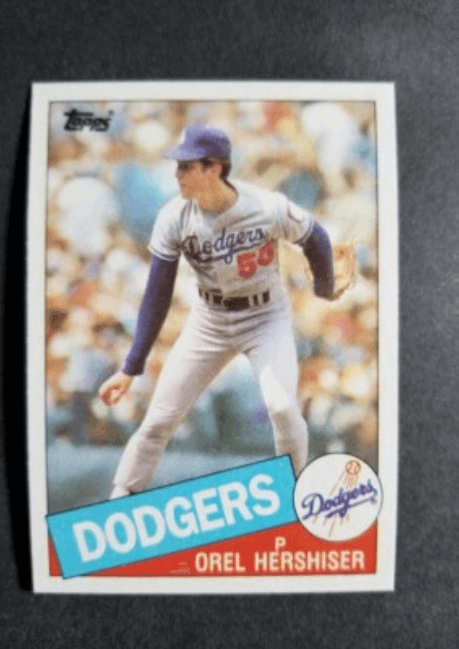
$200 Bulldog’s rookie card gained value after his legendary 1988 postseason performance.
17. Joe Morgan Record Breaker (#5)
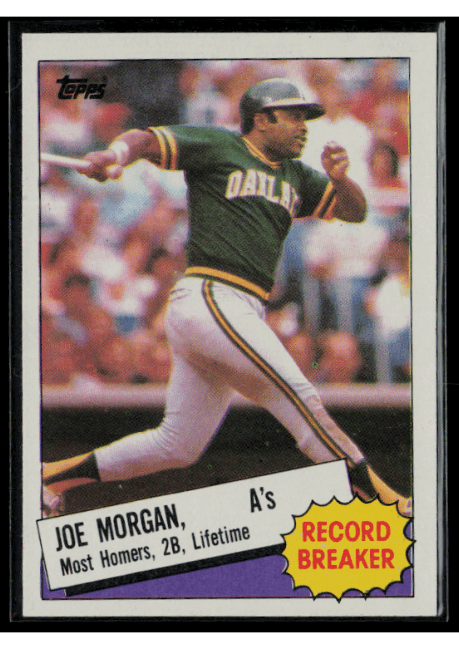
$175 The Hall of Fame second baseman’s achievement card.
18. Robin Yount (#340)
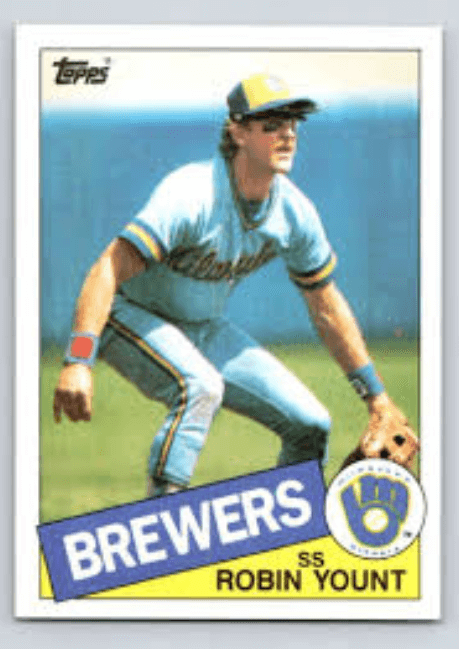
$150 The Brewers icon’s card remains popular among collectors.
19. Ryne Sandberg (#460)
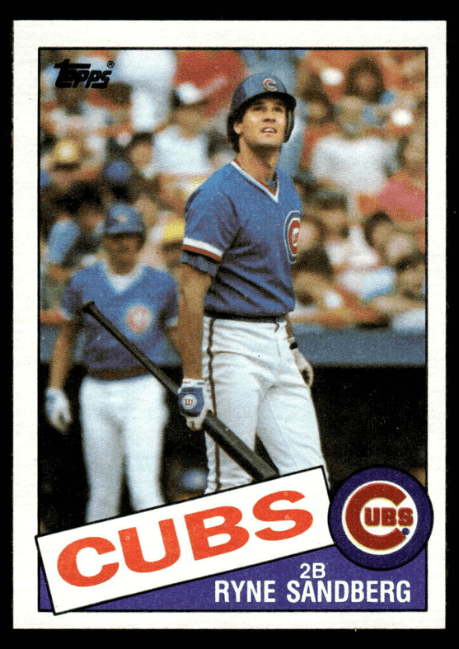
$150 Ryno’s card showcases the Cubs’ second base maestro.
20. Tony Gwynn (#660)
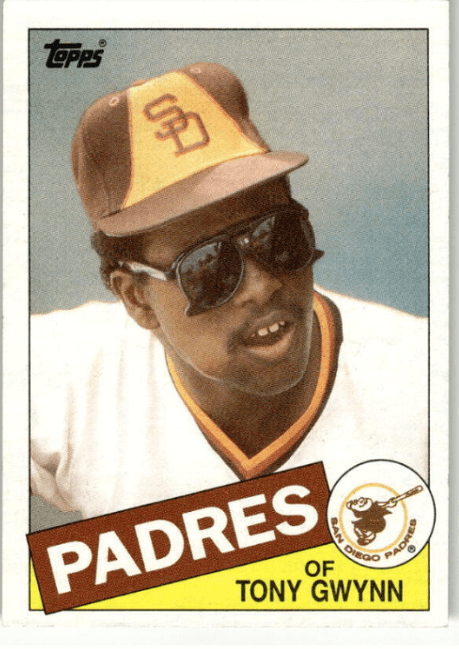
$150 Mr. Padre’s hitting prowess is captured in this classic card.
21. Paul Molitor (#522)
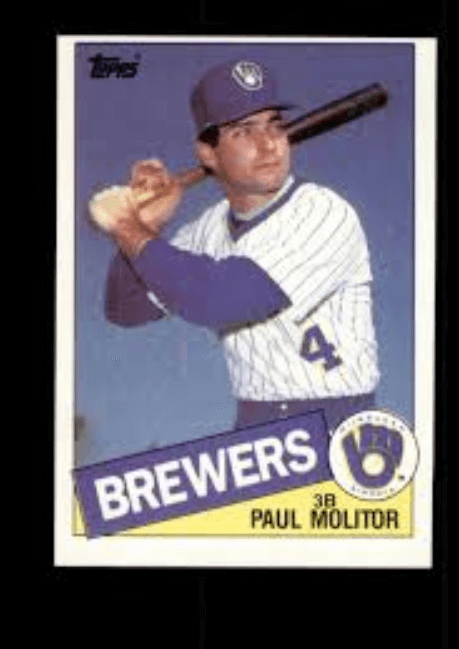
$125 The versatile Brewers star’s card represents excellent value.
22. Joe Carter Rookie Card (#694)
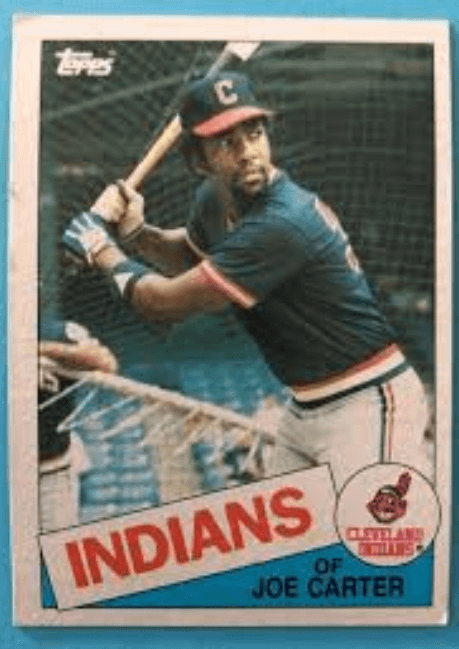
$125 Carter’s rookie card gained notoriety after his World Series heroics.
23. Wade Boggs (#350)
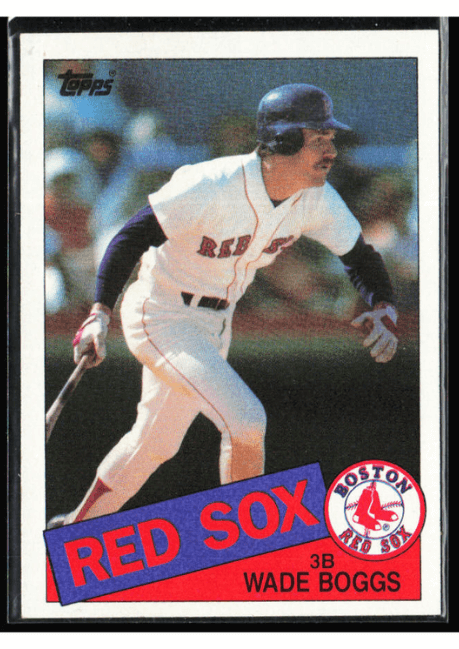
$100 The contact hitting specialist’s card shows his Red Sox days.
24. Andre Dawson (#420)
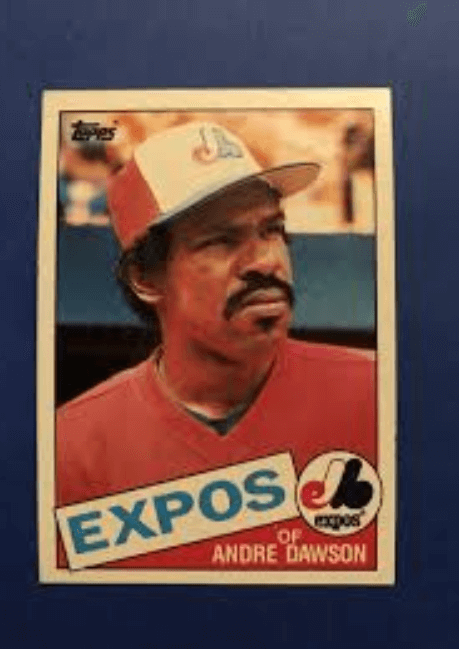
$100 The Hawk’s powerful presence translates to collector interest.
25. Ozzie Smith (#605)
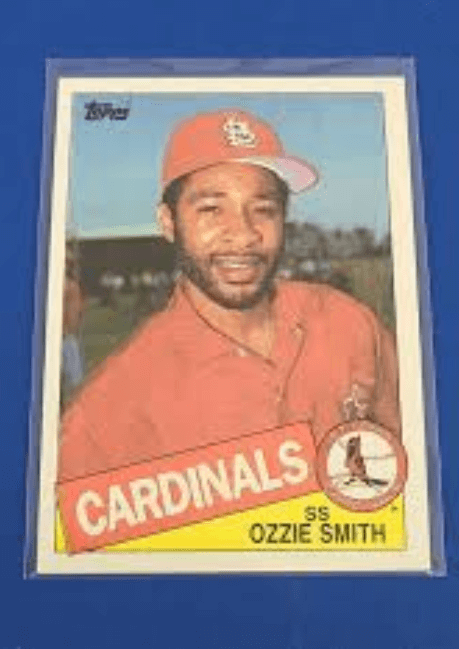
$100 The Wizard of Oz’s defensive wizardry is represented in this card.
26. Fernando Valenzuela (#240)
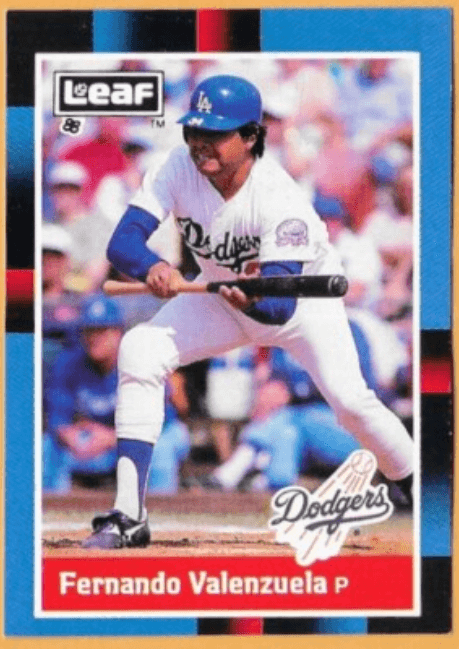
$85 Fernandomania’s impact still resonates with collectors.
27. Gary Carter (#270)
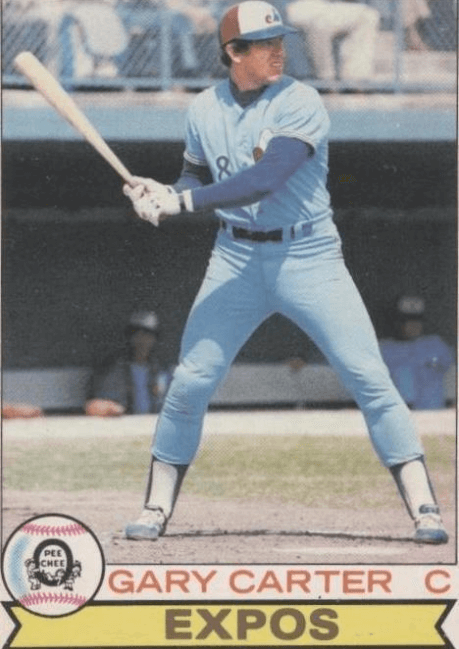
$75 The Mets catcher’s leadership and personality shine through.
28. Eddie Murray (#700)
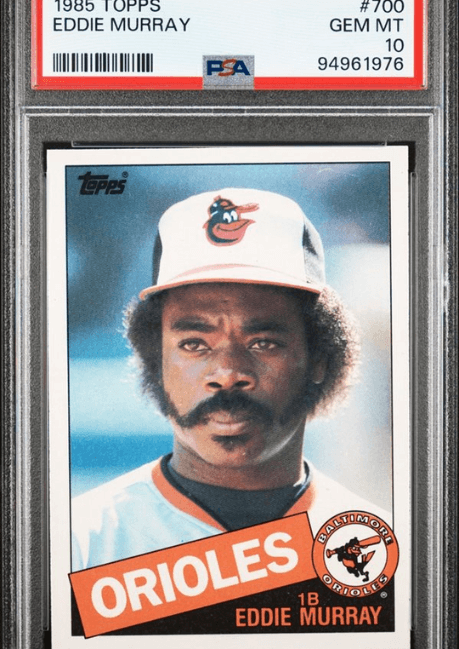
$65 Steady Eddie’s consistent excellence is captured here.
29. Dave Winfield (#290)
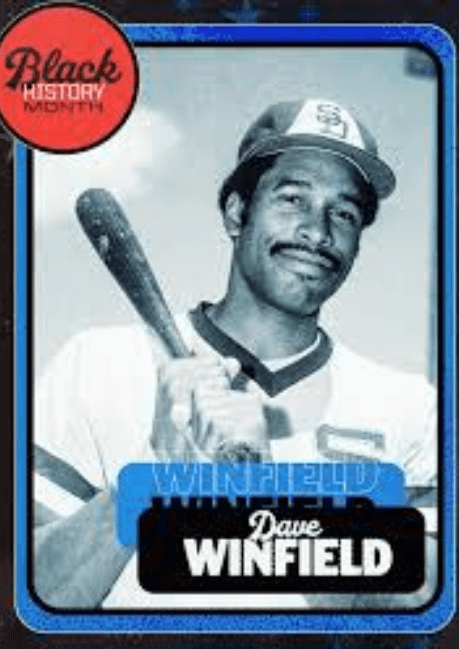
$60 The Yankees outfielder’s athletic ability is on full display.
30. Tim Raines (#360)
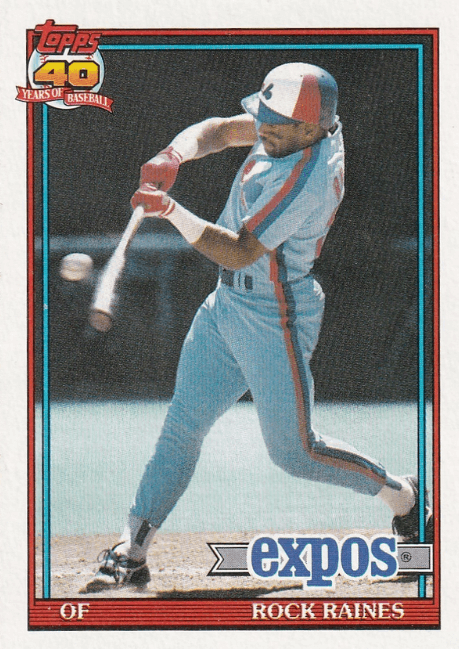
$55 Rock’s speed and batting ability made him a 1980s star.
Key Set Features and Subsets
The 1985 Topps set included several notable subsets that add collecting depth:
- Record Breakers (Cards #1-10): Celebrating major league achievements
- Father/Son (Cards #131-143): Highlighting baseball family connections
- USA Olympic Team (Cards #389-404): Featuring future MLB stars from the 1984 Olympics
- All-Stars (Cards #701-722): Showcasing the game’s brightest stars
- Various manager and checklist cards
These subsets provide additional collecting angles and help explain why certain cards carry premium values despite featuring lesser-known players.
Investment Considerations and Market Trends
The 1985 Topps market has shown remarkable resilience over the decades. While some cards have fluctuated based on player legacies and controversies, the set’s overall popularity has remained strong. Key factors driving values include:
Condition Sensitivity: Like most 1980s cards, centering and print quality significantly impact values. Cards from certain positions on printing sheets are notoriously difficult to find in gem mint condition.
Pop Report Dynamics: Low PSA 10 populations drive premium prices for even mid-tier stars. Supply and demand economics heavily influence these vintage card markets.
Nostalgia Factor: Collectors who grew up during the 1980s continue to drive demand for cards from their childhood heroes.
Hall of Fame Implications: Future Hall of Fame elections could impact values for borderline candidates like McGwire and Clemens.
Collecting Strategies
For collectors interested in 1985 Topps, several approaches can maximize both enjoyment and investment potential:
Complete Set Building: Assembling a complete set in high grade provides comprehensive exposure to the era’s stars while potentially offering better value than individual card purchases.
Star Focus: Concentrating on Hall of Famers and rookie cards provides the strongest long-term value proposition.
Condition Targeting: PSA 9 examples often provide excellent value compared to PSA 10 premiums while still offering strong eye appeal.
Subset Specialization: Focusing on specific subsets like Record Breakers or Olympic cards can create unique collecting niches.
Conclusion
The 1985 Topps baseball card set represents a fascinating intersection of baseball history, collecting tradition, and market dynamics. While not every promising rookie became a superstar, and not every superstar maintained an unblemished legacy, the set’s enduring popularity demonstrates the power of nostalgia and quality cardboard in the collecting world.
Whether you’re drawn to McGwire’s Olympic rookie card, Puckett’s Hall of Fame charisma, or Ryan’s legendary fastball, the 1985 Topps set offers something for every type of collector. The combination of accessible commons, challenging high-numbers, and premium stars creates a collecting experience that has satisfied enthusiasts for nearly four decades.
As the baseball card market continues evolving, sets like 1985 Topps serve as anchors to the hobby’s traditional roots while maintaining relevance for modern collectors. The stories these cards tell – both of triumph and disappointment – mirror the human drama that makes baseball America’s pastime.
Read more: USSSA Baseball Age Chart 2025-2026 Printable: Complete Division Guide
Frequently Asked Questions
Q: Are 1985 Topps cards a good investment?
A: The set has shown strong long-term stability, particularly for Hall of Fame players and key rookie cards. However, like all collectibles, values can fluctuate based on market conditions and player legacies.
Q: Why is the Mark McGwire card still valuable despite the steroid controversy?
A: McGwire’s statistical achievements, iconic Olympic team design, and scarcity in top condition continue to drive collector interest despite controversial aspects of his career.
Q: What makes certain 1985 Topps cards harder to find in gem mint condition?
A: Printing sheet position significantly affected centering quality. Cards printed along sheet edges often exhibit centering issues that prevent gem mint grades.
Q: Should I focus on raw cards or graded cards?
A: Graded cards provide authentication and condition certainty, which is particularly important for higher-value cards. However, raw cards can offer value opportunities for experienced collectors.
Q: How does the 1985 Topps set compare to other 1980s releases?
A: While lacking the rookie star power of sets like 1984 Donruss (Mattingly) or 1989 Upper Deck (Griffey), the 1985 Topps set offers excellent depth and iconic designs that have maintained collector interest.