
If you’re part of Dover’s baseball or softball scene, you’ve probably noticed something: there aren’t many dedicated batting cages right here in town. Don’t worry though – you’re not stuck. Most local players make short trips to nearby facilities, whether that’s indoor complexes, outdoor practice nets, or community fields that rent out cage time. Let’s break down your options so you can find the perfect spot to work on your swing.
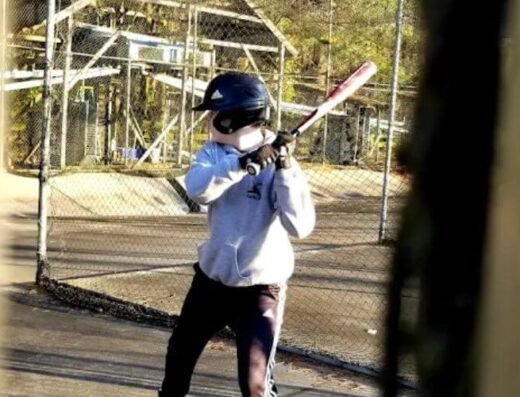
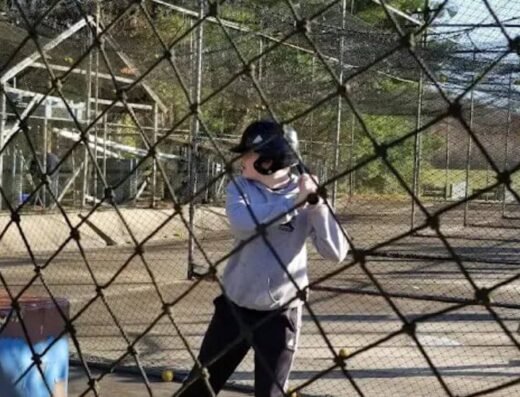
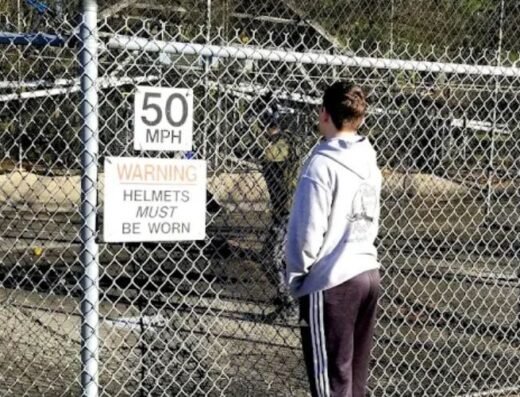
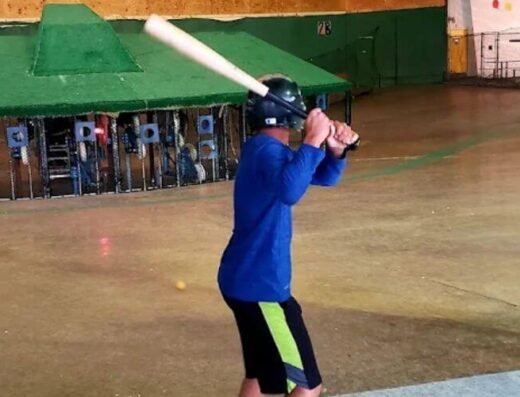
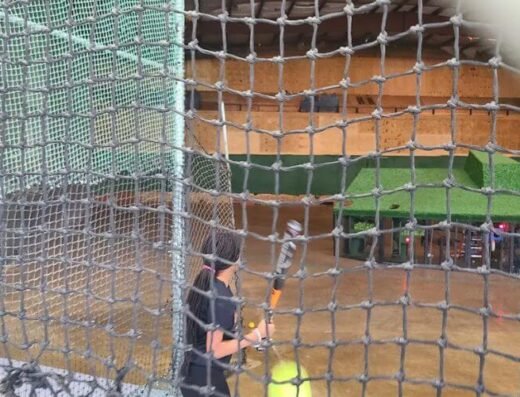
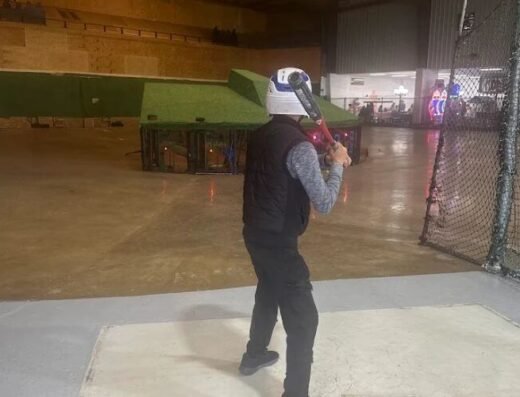
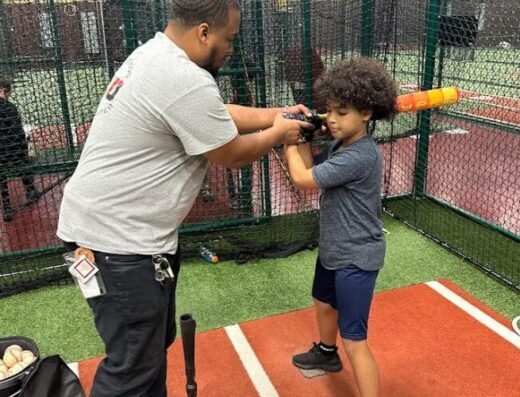
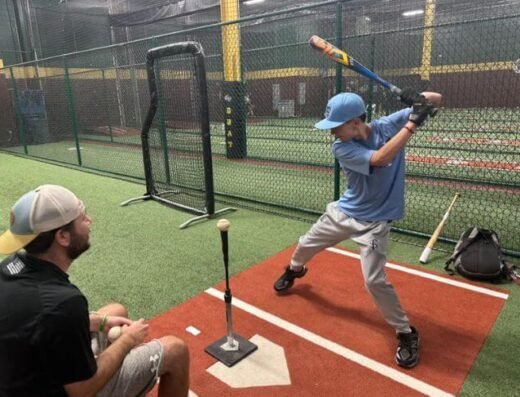
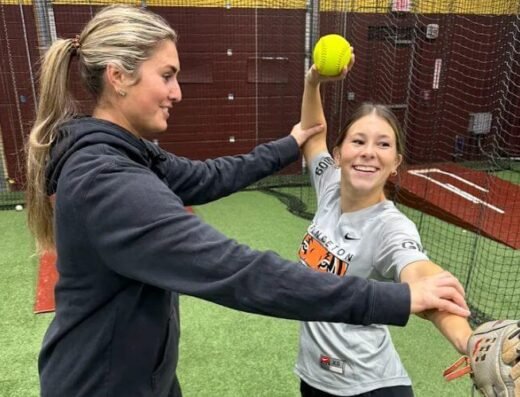
D-BAT Newark
34 Executive Dr, Newark, DE 19702
Starts from $25.00
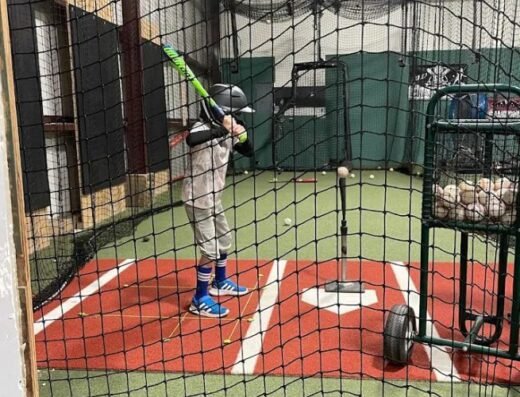
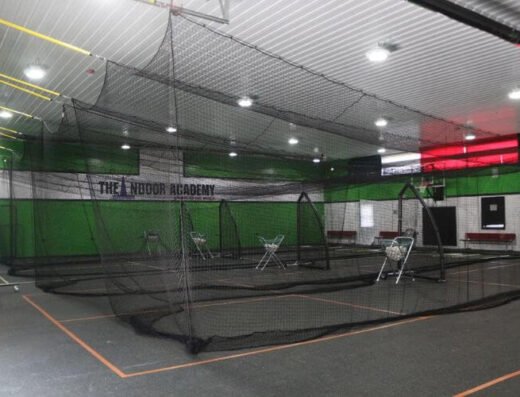
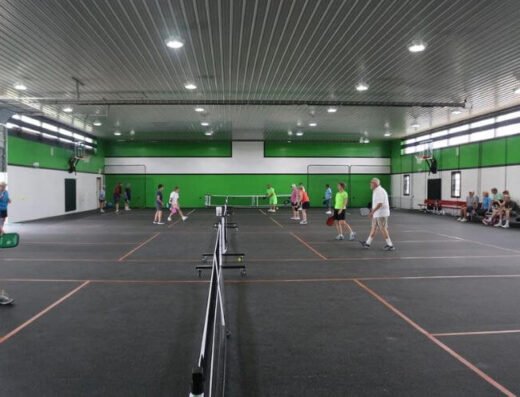
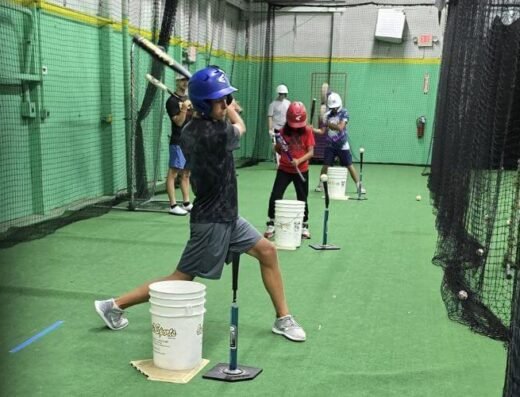
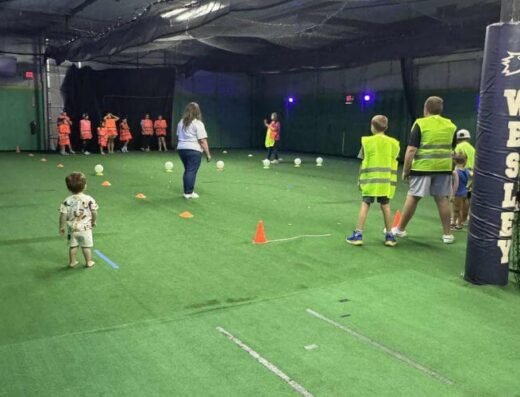
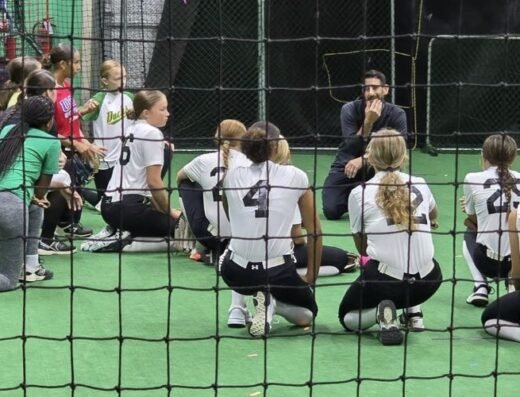
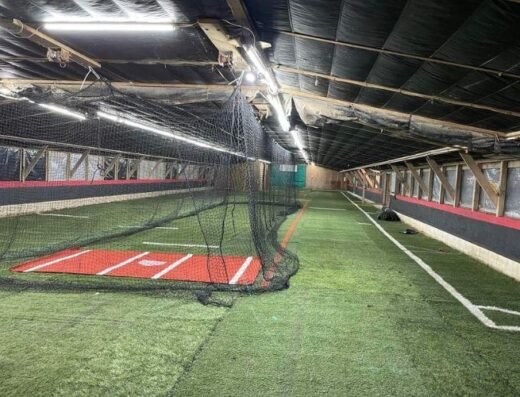
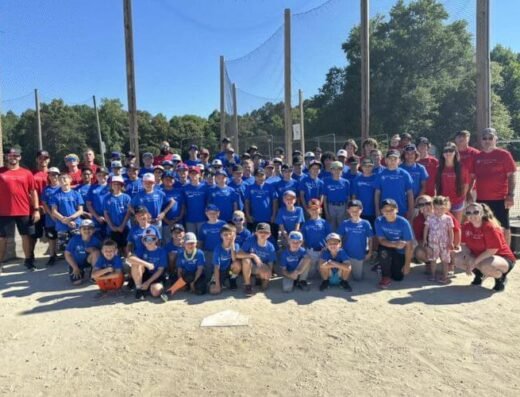
Sports House Training Center
29215 Conaway Rd, Millsboro, DE 19966
Starts from $35.00
Filters
Best Practices Before Your Visit
✅ Call ahead to confirm hours
✅ Bring your own helmet/bat (some places rent, some don’t)
✅ Check for group discounts or memberships
✅ Arrive 10–15 minutes early for setup
✅ Dress comfortably (athletic shoes, no sandals)
Best Practices After Your Visit
✅ Stretch to avoid muscle soreness
✅ Leave a review to help other players
✅ Explore nearby attractions/restaurants
✅ Share your experience with local teams/clubs
Indoor vs. Outdoor: Which Should You Choose?
Both have their perks, and honestly, the best approach is using both. Indoor cages are your go-to when the weather’s rough or you want to focus purely on mechanics. You can work with pitching machines, practice soft toss, and get consistent repetitions without worrying about rain or snow.
Outdoor cages, on the other hand, give you the real deal – natural lighting, longer sight lines, and a better sense of how the ball actually flies. This is where you want to work on timing and situational hitting. The smart move? Hit indoors when you’re fine-tuning technique, then take it outside when you’re ready to put it all together.
What Makes a Good Batting Cage?
When you’re checking out facilities, here’s what to look for:
Good pitching machines that can handle different speeds and work for both baseball and softball. Quality netting that gives you room to take a full swing without worrying about follow-through. Equipment rentals if you don’t want to haul your gear everywhere. Staff who actually know what they’re doing and can offer helpful tips. Clear, straightforward pricing and booking – nobody likes surprises.
Whether you’re just getting started, play recreationally, or you’re on a travel team, these basics will help ensure you get a productive session every time.
Making Your Cage Time Count
Don’t just step in and start swinging randomly.
Try these focused drills:
Two-ball tracking: Have someone toss two different colored balls so you can work on visual recognition and tracking. Timing challenges: Mix up machine speeds every few pitches to train your timing adjustments. Softball-specific work: Focus on barrel control with slower feeds and practice situational hitting like bunting or driving runners in.
These kinds of structured sessions will help you maintain your skills in the off-season and sharpen them when games matter.
Bringing the Team or Family
Many places offer group discounts or team packages. If you’re organizing something for multiple people, call ahead to reserve a dedicated lane and make sure there’s enough parking for all your equipment. Coaches, here’s a tip: try booking the same time slot each week during weekday evenings or weekend mornings – it keeps your practice schedule consistent and your players know what to expect.
When to Go and What to Bring
The best-kept secret? Weekday afternoons between 1-4 PM are usually pretty quiet – perfect for getting focused work done without distractions. Just know that early evenings and weekend mornings fill up fast with team bookings, so reserve ahead if that’s when you need to go.
If you’re picky about your equipment, bring your own bat and helmet. Rental gear works fine, but it’s not always consistent. And if you’re heading to an outdoor facility, check the weather – wind can really mess with ball flight and make it harder to track pitches.
Since Dover doesn’t have tons of options right in town, most players end up exploring nearby communities for their cage needs. It’s just part of the deal around here, but with a little planning, you’ll find exactly what you’re looking for.Retry
FAQ
Yes — though they may be outside Dover proper; indoor options are best for year-round practice.
Policies vary; weekdays sometimes allow walk-ins but evenings/weekends usually require reservations.
Often yes, but confirm machine settings and pitching styles (fastpitch vs. slowpitch).
Gloves, your preferred bat (or rent one), energy, and a helmet if you have one; water too.
Many nearby facilities offer lessons — check availability and coach credentials.
Both models exist; ask about lane rates, group discounts, and team packages.
Arrive 10–15 minutes early to warm up and set up; teams need extra time for gear and drills.