2026 MLB Spring Training Schedule, Now Official: Complete Dates
UPDATE: November 5, 2025 — The wait is over. Major League Baseball officially released the complete 2026 Spring Training schedule, transforming speculation into concrete travel plans for thousands of baseball fans across the country. After months of anticipation covered in our earlier coverage, we now have every date, matchup, and special event confirmed for both the Grapefruit League in Florida and the Cactus League in Arizona.
The official schedule confirms an exciting spring calendar that opens with a limited slate of games on February 20, 2026, before expanding to full action across both leagues on February 21. But this year brings more than just the usual sun-drenched matchups — MLB has woven World Baseball Classic exhibitions, special-venue games in Las Vegas, and unique crossover opportunities into the fabric of spring baseball. Whether you’ve been waiting to book your annual Tampa pilgrimage or planning your first-ever Arizona stadium crawl, this official release provides everything you need to turn baseball dreams into confirmed reservations.
Read more: 2026 Spring Training Complete Schedule Announced: Your Ultimate Guide
The Official 2026 Spring Training Calendar — Key Dates Confirmed
Let’s break down the critical dates that should anchor every aspect of your spring planning:
February 20, 2026: Opening Day (Limited Slate) Spring Training officially begins with a handful of early matchups in both Florida and Arizona. This soft opening typically features select teams easing into game action following weeks of conditioning and camp workouts. While options are limited, these inaugural games offer die-hard fans the earliest possible taste of 2026 baseball.
February 21, 2026: Full Schedule Launch. This Friday marks when all 30 MLB teams enter comprehensive spring competition. From this date forward, both the Grapefruit and Cactus Leagues operate full daily schedules with multiple game options across venues. If you’re planning a trip and want maximum flexibility in team selection and game times, February 21 represents your true starting point.
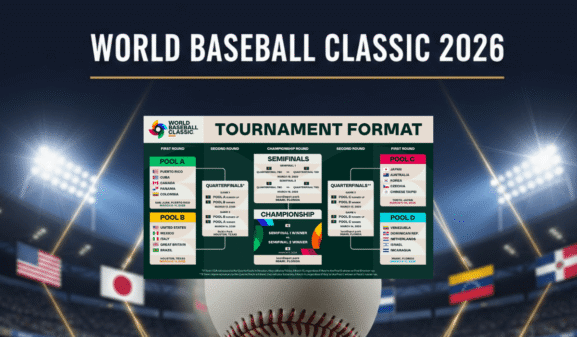
March 3–4, 2026: World Baseball Classic Exhibitions. In one of 2026’s most exciting schedule additions, MLB has integrated fourteen exhibition games pairing Major League clubs with World Baseball Classic national teams. These special matchups occur at regular Spring Training facilities across Florida and Arizona, bringing international rosters and passionate fan culture to local ballparks just before the WBC’s North American competition pools begin. These games create uniquely high-demand dates in early March.
March 7–8, 2026: Big League Weekend in Las Vegas. The Oakland Athletics face the Los Angeles Angels at Las Vegas Ballpark as part of Big League Weekend, bringing MLB Spring Training outside its traditional Florida-Arizona footprint. This special-venue series typically generates significant interest and tends to sell out well in advance of game day.
March 22–24, 2026: Spring Training Conclusion Window. Most MLB teams wrap their final spring games during this timeframe, though exact finish dates vary by individual club schedules. Teams then shift focus to final roster decisions and travel preparations for the regular season.
March 25, 2026: Opening Night. The regular season launches with a marquee Opening Night showcase: the San Francisco Giants hosting the New York Yankees. This single-game spotlight provides MLB’s traditional season-opening spectacle before the full league slate begins.
March 26, 2026: Opening Day. The complete 30-team regular season schedule kicks off, marking the official end of Spring Training and the beginning of baseball that counts in the standings.
What Makes the 2026 Schedule Unique — Notable Changes and Special Events
Every Spring Training follows familiar rhythms, but 2026 introduces several elements that distinguish this year’s calendar from recent seasons.
World Baseball Classic Integration Creates New Opportunities
The fourteen WBC exhibitions scheduled for March 3–4 represent a meaningful evolution in spring programming. Rather than keeping international and MLB club competitions separate, these exhibitions bring national team talent directly into Spring Training venues, creating unique viewing opportunities for fans who might never travel to international tournament sites.
From a planning perspective, these games change the early March dynamics significantly. Expect elevated ticket demand, different crowd demographics featuring passionate international supporters, and a competitive intensity distinct from typical spring matchups. If you’ve never experienced international baseball’s supporter culture firsthand, these exhibitions provide an accessible entry point without requiring international travel.
The WBC exhibitions also affect regular team schedules surrounding those dates. Some clubs compress or expand their game calendars before and after March 3–4 to accommodate these special matchups, creating scheduling gaps or condensed game clusters that impact multi-day trip planning.
Las Vegas Returns to the Spring Training Map
Big League Weekend’s return to Las Vegas Ballpark on March 7–8 brings Spring Training to Nevada for the second consecutive year. The Athletics-Angels series creates a unique destination opportunity for fans who want to combine baseball with Las Vegas entertainment, dining, and nightlife.
However, this special-venue series requires different planning than traditional Spring Training games. Tickets often sell through the Las Vegas Ballpark box office or the Aviators’ ticketing platform rather than standard MLB channels. Demand typically runs higher than comparable spring matchups in Florida or Arizona, and pricing reflects the special-event nature of these games. If Las Vegas appeals to your spring baseball bucket list, prioritize early ticket purchases once sales open.
Traditional League Structures Remain with Strategic Crossovers
The fundamental geographic split between Florida’s Grapefruit League and Arizona’s Cactus League continues for 2026, maintaining the travel planning considerations fans know well. Florida’s coastal venues scatter across Tampa, Clearwater, Fort Myers, Jupiter, and surrounding communities, requiring longer drives between stadiums but offering beach access and coastal charm. Arizona’s Phoenix-area concentration keeps most facilities within 30–40 minutes of each other, enabling aggressive multi-stadium scheduling for ambitious fans.
The 2026 calendar does introduce select crossover opportunities and special matchups that break traditional league boundaries, though details remain limited in the initial schedule release. These unique games create one-time viewing opportunities but also generate elevated ticket demand and pricing.
Strategic Planning Tips Now That the Official Schedule Is Live
Raw dates matter less than translating them into actionable travel plans. Here’s how to leverage the official schedule release for optimal spring baseball experiences.
Secure Accommodations Immediately for Mid-March Weekends
Historically, the busiest and most expensive Spring Training dates cluster around Friday-through-Sunday weekends in mid-March. By this point in the spring calendar, veteran players are appearing regularly, teams are fine-tuning final roster decisions, and the weather has typically settled into ideal conditions. These factors combine to drive maximum attendance and premium pricing for both tickets and hotels.
Now that the official schedule is public, hospitality inventory will begin disappearing quickly for prime dates. If your preferred weekend falls in mid-March, lock hotel reservations immediately. For Cactus League trips, central Scottsdale or Tempe locations provide optimal access to multiple stadiums. Grapefruit League travelers should prioritize Clearwater or Tampa hubs depending on which teams they’re targeting.
Consider Early-March Alternatives for Better Value and Smaller Crowds
While mid-March delivers peak atmosphere, the February 21–March 10 window offers compelling advantages for budget-conscious or crowd-averse travelers. Early-March games still feature regular innings from veteran players who haven’t yet been pulled from lineups as Opening Day approaches. You’ll see quality baseball without late-March intensity, and you’ll do so with more manageable attendance levels and typically lower costs for both tickets and accommodations.
The exception within this window: March 3–4, when World Baseball Classic exhibitions occur. These specific dates will likely see elevated demand and pricing at venues hosting WBC matchups, creating small islands of peak-level interest within the otherwise calmer early-March period.
Execute Multi-Stadium Days in Arizona’s Concentrated Geography
The Cactus League’s Phoenix-area clustering practically demands ambitious scheduling from fans who want to maximize variety. With most stadiums within a 30–40 minute drive of each other, catching a 12:10 p.m. first pitch followed by a 6:40 p.m. game at a different facility is entirely realistic.
Successful multi-stadium days require proper time buffers and realistic expectations. Allow at least 90 minutes between first-pitch times at different venues to account for parking, traffic, inevitable concession temptations, and the general desire to soak in each stadium’s atmosphere. Most Cactus League facilities offer comparable amenities, so you’re not sacrificing experience quality by stadium-hopping — you’re simply expanding your roster of teams, prospects, and baseball experiences in a single day.
Target Special Events Early and Through Official Channels
Both the World Baseball Classic exhibitions and Las Vegas Big League Weekend will generate above-average interest and ticket demand. Unlike standard Spring Training games, where last-minute purchases often work perfectly fine, these special events require earlier planning and ticket purchases through official channels.
For WBC exhibitions, monitor individual team box offices and official announcements for ticket sale windows. These games sometimes use different ticketing structures or pricing than regular spring matchups. For Las Vegas games, expect tickets through the Las Vegas Ballpark box office or the Aviators ticketing platform rather than standard MLB channels. Subscribe to relevant team mailing lists now to receive presale alerts and early access opportunities.
Final Preparation Checklist Before Your Spring Training Trip
With the official schedule now public, teams will begin rolling out single-game ticket sales and promotional information in coming weeks. Here’s what to confirm before finalizing your travel:
Verify Exact Game Times: The initial schedule release sometimes lists start times as “TBD” until closer to game day. Before booking flights with tight connections or planning multi-game days, confirm exact first-pitch times through team websites or MLB’s official schedule page. Organizational changes can shift start times even after initial announcements.
Purchase Tickets Through Verified Sources Only: Buy exclusively through official team box offices, MLB’s ticketing platform, or verified resale marketplaces. Spring Training’s intimate settings make counterfeit tickets particularly problematic. Authentication issues at stadium gates ruin trips, so prioritize security over marginal savings from questionable sources.
Pack for Temperature Variability: Late February mornings can start surprisingly cool in both Florida and Arizona before warming significantly by afternoon. Layered clothing ensures comfort regardless of conditions. Sunscreen, hats, and sunglasses remain essential regardless of when you visit — even overcast March days can deliver intense sun exposure.
Build Flexibility Into Your Plans: Spring Training’s relaxed atmosphere extends to scheduling. Games occasionally shift times, star players rest unexpectedly, and weather (though rare) can impact play. Rigid itineraries create unnecessary stress in an environment designed for enjoyment. Build buffer time, maintain flexible expectations, and remember that Spring Training’s true value extends beyond any single player appearance.
Conclusion: Your 2026 Spring Training Journey Begins Now
The official 2026 Spring Training schedule release transforms months of anticipation into concrete action items. With dates confirmed, teams announced, and special events detailed, the path to your spring baseball experience is now clear. Whether you’re planning your first spring trip or your annual pilgrimage, the 2026 calendar offers compelling variety: traditional matchups in time-tested venues, international exhibitions bringing global talent to local ballparks, and special-venue games in Las Vegas that push Spring Training beyond its traditional boundaries.
Start booking accommodations for your preferred dates immediately, monitor team announcements for ticket sale windows, and remember that Spring Training’s magic extends beyond game results. It’s the promise of renewal, the hope that accompanies every new season, and the simple joy of watching baseball return to sunshine after a long winter. The 2026 schedule is official — now it’s time to make your plans real.